

Turn up the difficulty and Wildermyth becomes XCOM with magic | PC Gamer - tompkinswhaved
Turn up the difficulty and Wildermyth becomes XCOM with legerdemain
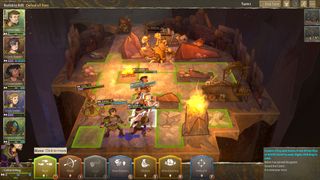
On my first few campaigns of Wildermyth, it was the narrative that wowed me. Despite some uneven writing, it's some of the best procedurally generated storytelling I've ever seen in a game. As our faculty writer Rachel so correctly observed, its haphazard events and evolving characters knit together into an experience that's about atomic number 3 close A you can reach the feel of a tabletop roleplaying game on your own.
The nuts and bolts of the gritty—that is, its turn-based armed combat and campaign map meta-layer—I was at first less impressed aside. Despite some exciting ideas, combat was clean simple and pretty easy, especially once I got some good gear and level ups. On the campaign map, I never felt up pressed for time, able to leisurely clear the countryside of threats and beef up key locations against reprisal. The big, important fights of apiece chapter were anti-climactic, the full force of my overpowered heroes ending them before they'd really begun.
I terminated that was just the rather courageous it was, a important history author, with just about enjoyable enough filler 'tween communicatory events. It was but when I cranked up the difficulty that the game's true depth shone through – and comparisons to Firaxis' XCOM games started to feel appropriate.
The first step up from the default on trouble of 'Adventurer' is known as 'Tragic Hero'. "Seems a bit exaggerated," I thought, as I loaded into a new campaign. In the first battle, my fledgling heroes died and then hurrying that at first I thought it was a microbe. My powerless farmhands, not even experienced enough to have earned a class yet, were literally taken retired one-by-one by an acid-spewing bone-automaton before I could fight back.
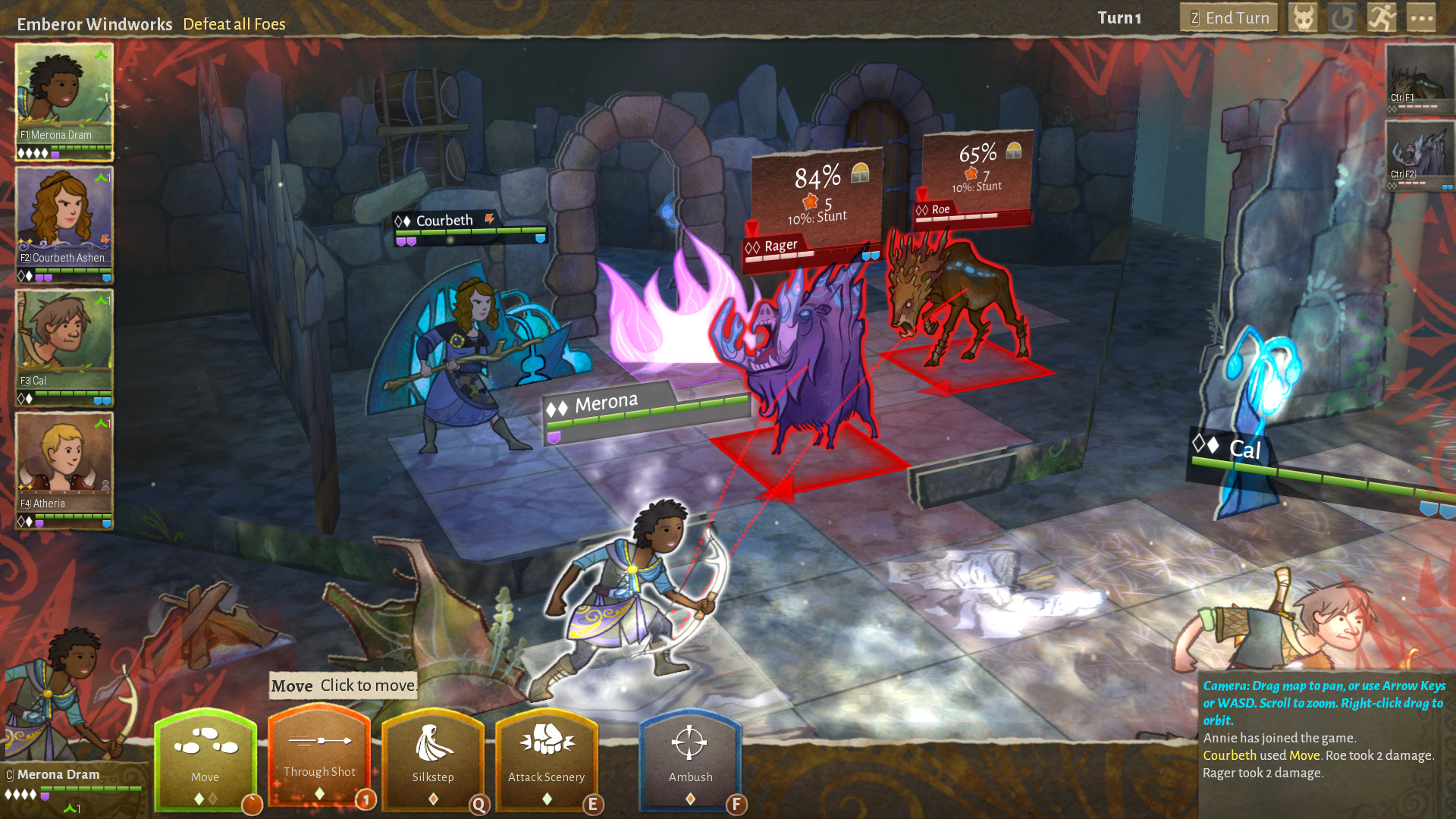
Fence in unitedly instantly
All right, backwards to the drafting board. Over several disastrous eldest chapter attempts, I started to flake off back the layers of Wildermyth's combat system, figuring out how to survive in this suddenly hostile reality. I learned how many bad habits I'd picked rising over my journeying so distant.
Bad habits like leaving my party open, when 'walling' is describe to keeping heroes liveborn. This system of rules grants a damage electrical resistance buff to any characters that are adjacent aside the end of their turn, and when you'rhenium unscheduled to use it, it makes every turn a puzzle of positioning. You have to know not exclusive what you ask each character to do to each one turn, but where they involve to finish up in order to maintain organization. And what delicious thematic gravy, for a halt where the relationships 'tween characters are so important to buff them for sticking out together.
I learned to pick my targets more carefully. The enemies arrayed against you in Wildermyth— separated into five sharp factions, each with about 10 different types—have wildly different abilities. Prioritising who you motivation to gun for first, and what you need to make to arrest to them, is vital. In other words, the way you ward of getting one-pellet by a bone-bot is to get them earlier they get you, not to waste time on running intervention.
The magic system—in which mystics 'interfuse' with environmental objects in order to cast appropriate spells out of them—turns from a artful novelty to a battlefield scavenger hunt of possibilities. When I see a clanking Morthagi construct, I know that what I want is something made of wood, soh I commode shred their armor with a Splinterblast. If a hulking Gorelord is descending on my vulnerable bowman, a tatterdemalion banner I can animate and tie them up with is a lifesaver. But you won't e'er find what you want. Different environments inherently offer other tools, cleverly preventing you from ever relying on a certain arsenal of spells—you have to turn whatever is around you to your advantage.
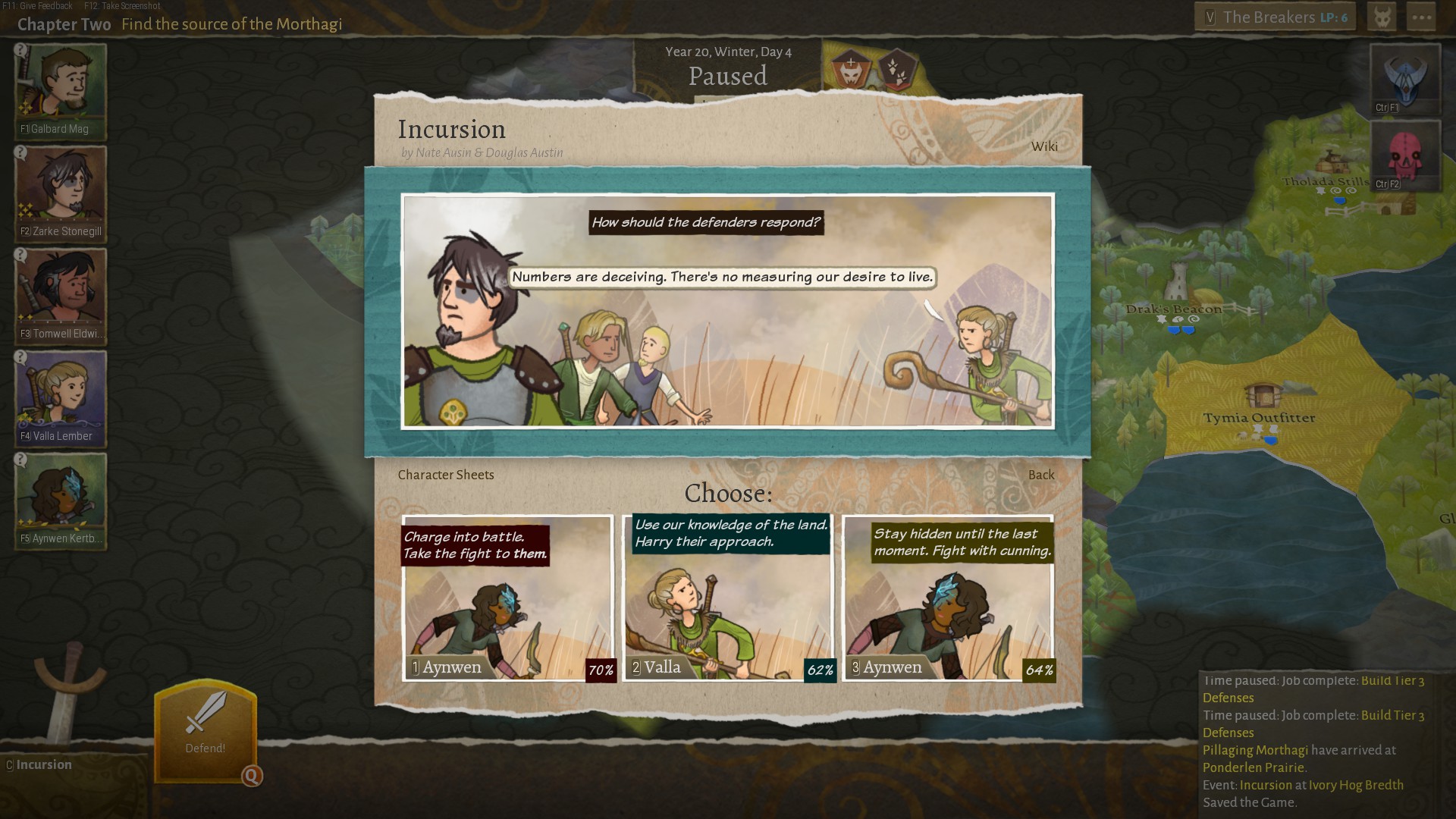
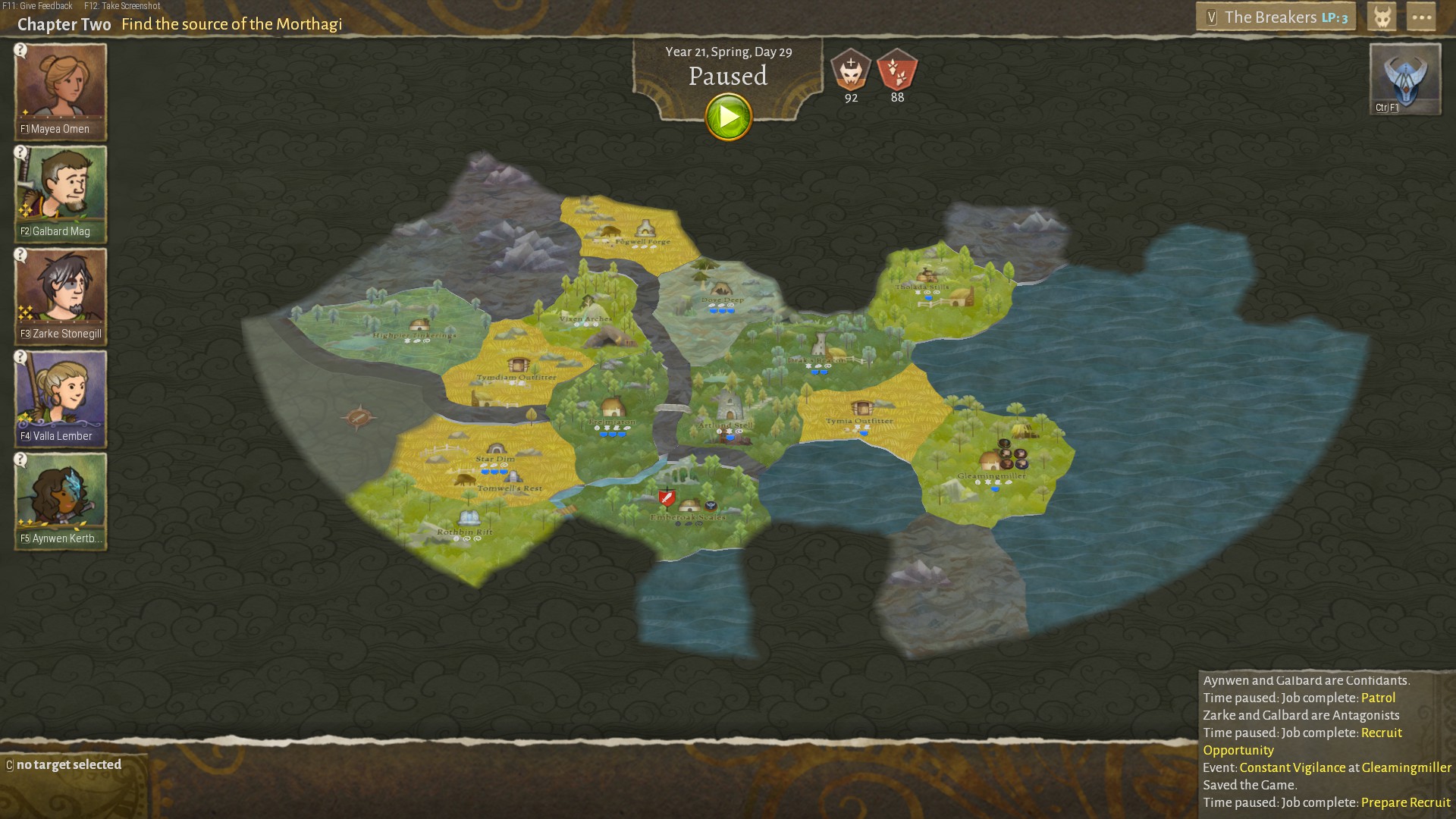
The campaign map, as well, is suddenly gas-filled of tough choices. Do you have time to rebuild that village, if it means ticking closer to another intrusion event? Should you split the party, getting more finished in less time but exposing everyone to danger? Can you afford to stifle your foeman's efforts to acclivity their soldiers if it substance you North Korean won't have the resources left to recruit new-sprung heroes? Where in one case I could methodically fair every nook and cranny, now I feel constantly nether pressure, grabbing what I can before racing to the next chapter.
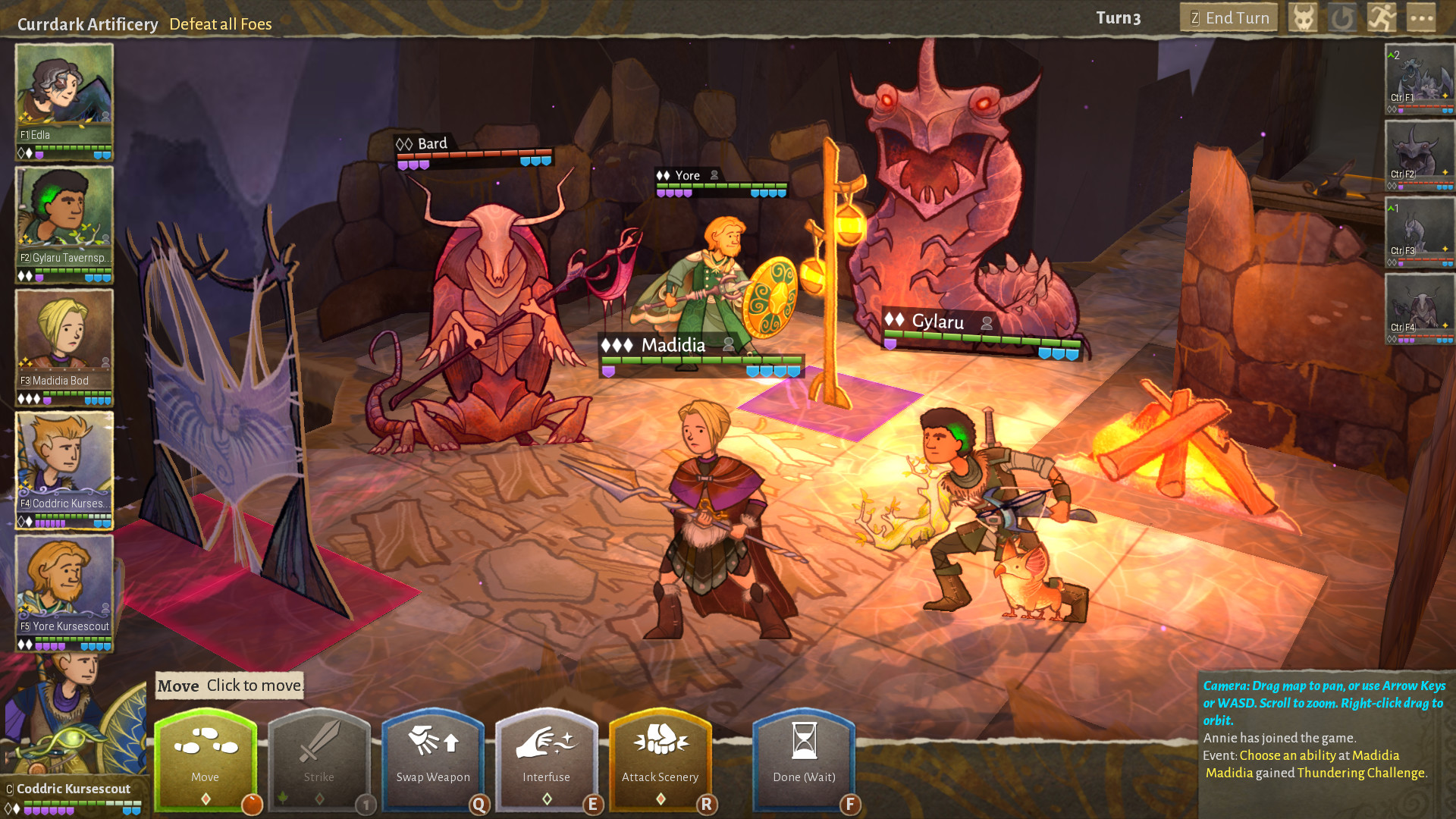
Under pressure level
Information technology's a feeling I'm familiar with - it evokes the same quiet terror as XCOM. The ins-and-outs of the strategy are distinct, but what Wildermyth recreates is that wonderful feel of trying to solve a huge, complicated, unpredictable puzzle where every motility you make is weighty with consequence. When you know that a bad call won't just affect the effect of one battle, but potentially your whole campaign—and the lives of your heroes—there's a wonderful dramatic tension in all bit.
That formula - compounding strategy, management, and permadeath - is and so compelling when it's finished honourable, but few of XCOM's imitators have really managed to spin it into gilt in quite the same way. Wildermyth very cracks the code, at least once it stops being entitle with you. And in many slipway it in reality goes indefinite break.
Wildermyth's history locomotive adapt perfectly to the changing tone. A tougher, crueler, more demanding campaign organically generates a darker, more desperate story. In XCOM, your soldiers can only live or die. In Wildermyth, they can lose a limb, sacrifice a priceless artifact, watch their own kid fall in engagement, and give up their life for another's. Your hero's home town mightiness be fortified, defended, destroyed, rebuilt, and even taken over by a cult.
When a Hero of Alexandria dies, it's a crushing blow—and so the game asks you what you want to do about information technology. Will you entrust them to be forgotten by the history books? Beaver State will you ramp up them a memorial, securing their legacy just ticking down yet more than precious days? What a wonderfully bleak tasty to be offered by a gimpy that, along first impression, seems so harmless.
'Sad Hero' so. Don't even ask me about the next tone up: 'Walking Lunch'.

As editor of the PC Gamer magazine, Turdus migratorius combines years of experience in print (including stints happening Official Xbox, the GAME magazine, and the dearly departed GamesMaster) with a lifelong love of Microcomputer gambling. First enchanted by the light of the monitor as he muddled through Simon the Sorcerer along his uncle's auto, he's been a devotee ever since, greedy some RPG operating theater strategy game to stumble into his itinerary. He believes firmly that the best way to express that devotedness is through the printed page—games journalism only sincerely exists if you can hold IT in your custody.

Source: https://www.pcgamer.com/turn-up-the-difficulty-and-wildermyth-becomes-xcom-with-magic/
Posted by: tompkinswhaved.blogspot.com
0 Response to "Turn up the difficulty and Wildermyth becomes XCOM with magic | PC Gamer - tompkinswhaved"
Post a Comment